When should you shop for car insurance quotes?
WATCH THE FULL VIDEO
Video is ready to play. If one link doesn't work, try another available link below 👇
This depends on two variables: you and the car insurance industry. The best time to shop for car insurance quotes is immediately after any life event or change that might impact your rates. Looking at the car insurance industry as a whole, December is typically a good time of year to shop around.
The best time to get quotes depends on your personal situation
Car insurance companies use aspects of your life (rating factors) to determine your premium. When these rating factors change, it can lead to big shifts in your rates. Primary insurance rating factors include age, driving record, and credit score.

Age
Because the number of years of driving experience is a major rating factor used by all insurers, a birthday can result in discounted insurance rates. Take a look at the table below to get an idea of different rates by age group.
| Age Group | Avg. Monthly Premium | Avg. Annual Premium |
|---|---|---|
| 20s | $190 | $2,284 |
| 30s | $145 | $1,744 |
| 40s | $139 | $1,667 |
| 50s | $130 | $1,555 |
| 60s | $131 | $1,571 |
| 70s | $151 | $1,807 |
| Teens | $420 | $5,039 |
Overall, drivers between 16 and 19 years old pay the most for car insurance, but prices drop steadily as the driver ages. In fact, insurance rates drop by more than $100 per month when a driver celebrates their 19th birthday. If you’re a young driver or a parent insuring a teen driver, keep these key birthdays in mind.
Driving record
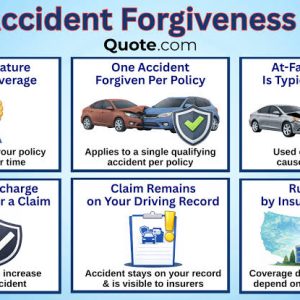
Every state and every insurance company uses driving history to set its rates. Insurance companies use a driver’s previous behavior as a way of predicting future driving outcomes. “Previous driving history” does not include your entire driving history. While the statute varies by state and violation, most at-fault accidents, tickets, and other citations will only impact your premium for three to five years.
An example: after colliding with a pole in August 2018, you file a collision claim with your current car insurance provider. By August 2021, your premium should no longer be rated for that at-fault accident. However, if your policy doesn’t renew in August, it’s very unlikely your premium will reflect the accident “falling off” your record. This is why it’s important to shop for new car insurance occasionally.
Because your current insurance company will not automatically update your premium, you should shop for car insurance after any type of chargeable violation falls off your insurance record.
See below to see the impact that at-fault accidents, speeding tickets, and other common charges have on insurance premiums.
| Accident/Violation | Avg. Annual Premium |
|---|---|
| None | $1,759 |
| Cell phone violation | $2,135 |
| Texting while driving | $2,140 |
| Speeding 16 – 20 MPH over limit | $2,190 |
| At-fault accident – greater than $2000 | $2,605 |
| Reckless driving | $3,187 |
| Driving with a suspended license | $3,195 |
| DUI | $3,441 |
For more information on how your driving record can impact your car insurance policy, see our guides below.
- Cheap car insurance for high-risk drivers
- How to find insurance coverage with an open claim
Credit score
In most states, changes to a driver’s credit score affect their insurance rates. Credit history is used by most insurance companies as a risk indicator and pricing lever. Insurance companies maintain that drivers with poor credit file claims more often than do drivers with better credit. As a result, drivers with lower credit tend to pay more for car insurance.
California, Hawaii, Michigan and Massachusetts prohibit insurance companies from using credit score to price policies.
| Credit Tier | Avg. 6 Mo. Premium | Avg. Monthly Premium |
|---|---|---|
| Poor | $1,622 | $270 |
| Fair | $1,104 | $184 |
| Average | $1,020 | $170 |
| Good | $928 | $155 |
| Very Good | $856 | $143 |
| Excellent | $788 | $131 |
If a driver’s credit score improves between insurance policy periods, this presents a great opportunity to shop for insurance.
For more information on car insurance and credit, see our additional resources:
- Cheapest insurance companies for bad credit
- Best insurers for drivers with good credit
- Which insurance companies don’t use credit score?

The best time to get insurance depends on your company
While not as impactful as rating factors directly related to you, understanding the way auto insurers price premiums can be helpful. Car insurance companies use end-of-year claim filings to set their rates moving forward. If in the prior year, the insurance company paid out more in claims than it earned in premiums, you can expect to see a rate hike as a result.
These “rate revisions” occur every year. An increase in insurance premiums is common after natural disasters, such as hurricanes or wildfires, in which an insurance company had to pay out a large number of claims in a short period of time.
Although this is difficult to predict, you can set aside time in December to shop for car insurance for the coming year.
The Best Cheap Car Insurance
See which company offers the best cheap car insurance. Compare coverage options, find affordable auto insurance and save on your next policy.
How often should you shop for car insurance?
It’s recommended that you shop around for car insurance quotes at least once a year. However, to make sure you’re getting the absolute best rates, consider shopping for new quotes every six months — the length of a standard policy. An easy way to remember when to shop is to watch for the end of your current policy.
Car insurance is a state-regulated industry, so you typically won’t find holiday savings or other promotions. Trying to anticipate insurance companies’ rate revisions can be hit or miss. The best time to shop for car insurance occurs immediately following life events that result in personal rate revisions. If you celebrate a birthday, improve your credit score, or have a violation fall off your record, you should consider that a sign to shop around.
While we only mentioned three key life events, there are many others that can impact your rates. If you’ve just bought a home, for instance, many auto insurance providers will likely give you a better rate for car insurance as homeowners are generally seen as less risky.
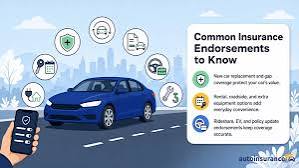
Below are common events that may impact insurance rates:
- Marriage
- Buying a home
- Renting an apartment
- Moving
- Earning a degree
If you’ve experienced one of these life events, you should consider shopping for car insurance.
WATCH THE FULL VIDEO
Video is ready to play. If one link doesn't work, try another available link below 👇